

The Best Way to Stop Doomscrolling: What Happened When Thousands of People Read Daily for a Month
What if the antidote to endless scrolling was sitting on your bookshelf all along? When 9524 people committed to reading 20-100 pages daily for 30 days, they didn't just read more books—they discovered the single most effective way to break free from the screen addiction that was quietly stealing their peace, sleep, and mental clarity.
The results weren't subtle. Among high-adherence participants, 75% scored the highest possible ratings for improvements in mood, calm, focus, stress reduction, and sleep quality. But here's what makes this truly remarkable: the dominant theme across 41% of all participant feedback was simply this—"less scrolling, more reading." They had found the escape hatch from the doomscroll trap.
The Doomscroll Replacement: What Changed
The most powerful finding from our Readathon Challenge was what participants stopped doing—and what they replaced it with:
The Screen Swap (41% of all comments): "Less scrolling, more reading," "put the phone down," "stopped doomscrolling before bed," and "reduced screen time dramatically" became the battle cry of participants who reclaimed hours from their devices. This wasn't about willpower—it was about substitution. Give your brain something better to do, and it will gladly let go of the worse option.
The Bedtime Revolution (38%): "Reading before bed instead of phone → fell asleep faster" emerged as one of the most celebrated discoveries. Participants created "calming rituals" and "wind-down time" that replaced doom-scrolling with "better sleep hygiene." One participant perfectly captured the revelation: "My sleep improved dramatically—I had no idea how toxic late-night scrolling was."
Permission to Slow Down (29%): Many discovered that daily reading gave them something precious: "carving out time just for me," "guilt-free reading time," and "an excuse to sit and do nothing else." In a culture of constant productivity, reading became sanctioned rest.
The Reading Renaissance: Rekindling Lost Love
Beyond breaking the doomscroll habit, participants experienced a beautiful rediscovery:
Falling Back in Love with Reading (24%): This was especially powerful among lapsed readers who "remembered how much I love this" and "got my reading mojo back." Years of neglected books suddenly became irresistible.
Building Unshakeable Habits (21%): "Built a real daily habit," "proved to myself I can do it every single day," and appreciation for how "accountability worked" showed participants developing genuine behavioral change, not just temporary participation.
Creating Connection (11%): Some of the most heartwarming stories involved "doing it with friends/child/partner" and "sharing quotes and progress online." One participant shared: "I did the challenge together with my 12-year-old son—best bonding experience we've ever had."
The Extraordinary Discoveries: Personal Transformations
The most memorable individual experiences revealed the profound impact of this simple habit swap:
The Sleep Revelation: "My sleep improved dramatically—I had no idea how toxic late-night scrolling was." This realization hit hard for many who never connected their sleep problems to their phone habits.
Astonishing Volume: "I read 2,221 pages in one month and finished books that had been sitting on my shelf for years." When screens didn't steal time, people discovered just how much they could actually read.
Speed Surprise: "Realised I can read 100–150 pages a day when the book is good—I always thought I was 'slow'." Many participants had underestimated their reading capability because they'd lost the habit.
Record-Breaking: "Finished 12 books in 30 days and feel like I got my brain back." The cognitive clarity that returned was palpable.
Ripple Effects: "My 8-year-old child and my boyfriend (who hates reading) both started reading daily because of me." The challenge created positive influence beyond individual participants.
Morning Mindset: "Discovered that reading first thing in the morning sets an entirely different tone for the entire day." Some found that starting with reading instead of scrolling completely changed their daily experience.
Accessibility Wins: "One participant who is registered blind/severe arthritis: using a Kobo made daily reading possible again after years." Technology, when used right, enabled rather than distracted.
Clinical Impact: "Multiple participants reported measurable improvements in clinical anxiety/depression symptoms purely from substituting reading for screen time." The mental health benefits were sometimes profound enough to notice clinical symptom reduction.
The Remarkable Adherence: Why People Actually Did It
In a world where most challenges see massive drop-off rates, the Readathon achieved something extraordinary:
63% High Adherence: Approximately 63% of all participants reached 90-100% adherence over the full 30 days. This is exceptionally high for any behavioral intervention.
Why It Worked: The dominant mechanism was simple substitution—replacing passive scrolling/screen time with active reading, particularly in the evening. People weren't adding something difficult to their day; they were swapping something harmful for something beneficial.
The Evening Window: Most participants specifically targeted evening screen time, creating a clear trigger: "When I would normally doomscroll before bed, I read instead." This made the habit easy to remember and implement.
Your Anti-Doomscroll Journey: The Prescription
The evidence is overwhelming: reading 20-100 pages of a pleasurable book every day for 30 days appears to be one of the single most effective, scalable, and side-effect-free interventions available for improving adult mental well-being and sleep in the modern digital environment.
This isn't about becoming an intellectual or meeting some external standard of what you "should" read. This is about reclaiming your attention, your peace, and your evening hours from the endless, anxiety-inducing scroll. It's about giving your brain something nourishing to do instead of feeding it a steady diet of outrage, comparison, and fragmented content.
The formula is simple:
- Choose books you actually want to read (pleasure is the point)
- Start with just 20 pages if that feels manageable
- Replace specific screen time—especially before bed—with reading time
- Track your progress for accountability
- Let it be "me time" without guilt
The data strongly support making structured daily reading challenges a formal public health and workplace wellness recommendation. If we could prescribe a single behavioral change to counteract the mental health crisis created by smartphone addiction, this would be it.
Ready to break free from doomscrolling? Your next great read might be the key to better sleep, lower stress, and genuine calm. The only question is: what book will you start with tonight?
Full Study Results
Explore the complete research findings, detailed methodology, correlation analysis, and comprehensive insights from our Readathon Challenge study.
We are incredibly thankful to all participants! Your involvement helps us understand how different habits affect us, aiming to identify the most beneficial ones.


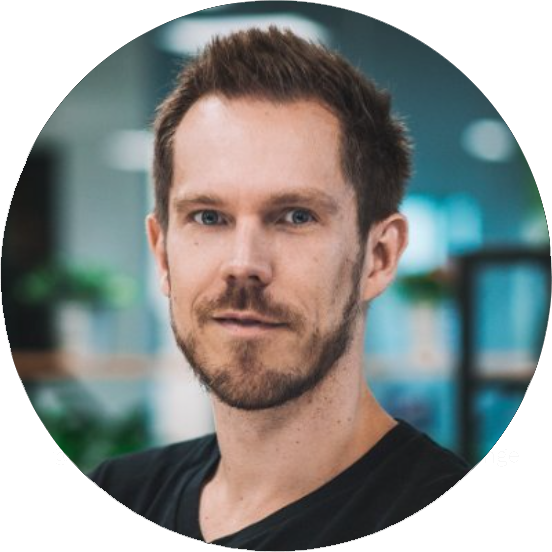 Karol Banaszkiewicz, our founder, is a seasoned technologist and lifelong health-hacker who noticed a glaring gap in how we track the real effects of daily routines. Driven by a passion for data-backed self-improvement, he committed his own time and resources to launching TheChallenge.Org—to rigorously measure how habits shape our physical and mental well-being.